The Dangers of Hidden Mold and How Pros Find It in Lehi
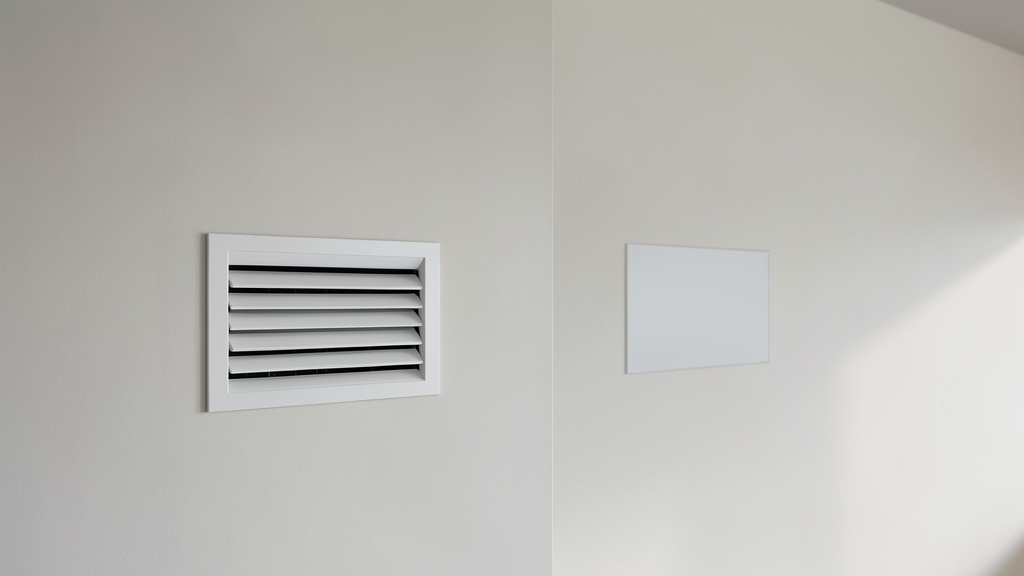
Hidden mold thrives where you least expect it—behind drywall, under flooring, or in damp crawl spaces. Left unchecked, it can trigger allergies, respiratory issues, and even structural damage. Our team knows how to uncover it before it spreads.
Why Hidden Mold Is a Silent Threat
Mold spores are microscopic and can float through the air undetected. In Lehi’s dry climate, they often lie dormant until moisture from leaks, condensation, or poor ventilation activates them.
Unlike visible mold, hidden colonies grow in wall cavities, under carpets, or inside HVAC ducts. By the time you smell that musty odor, the infestation may already be widespread.
Prolonged exposure can cause chronic coughing, skin irritation, or asthma flare-ups—especially in children and those with compromised immune systems.
Black mold (Stachybotrys) produces mycotoxins that can cause severe reactions. Never disturb it without professional containment.
Where Mold Hides in Lehi Homes
Basements and crawl spaces are prime targets due to poor airflow and groundwater seepage. In older neighborhoods like downtown Lehi, aging foundations often lack proper vapor barriers.
Attics trap heat and moisture, especially if roof leaks or improper insulation create condensation. We’ve seen attic mold spread rapidly in Saratoga Springs and Highland homes after winter snowmelt.
Bathrooms, kitchens, and laundry rooms harbor mold behind tile, under sinks, or beneath appliances. Even small leaks in supply lines can feed colonies for months.
HVAC systems can distribute spores throughout your home. Dirty coils or clogged drain pans are common culprits in American Fork and Draper properties.
Signs You Might Have Hidden Mold
Unexplained musty odors are the most obvious red flag. If the smell persists after cleaning, mold is likely lurking out of sight.
Water stains on ceilings or walls—even if dry—indicate past moisture issues. Mold can grow within 24-48 hours of water intrusion.
Peeling paint, warped baseboards, or bubbling wallpaper often signal moisture behind surfaces. These are common in Lehi homes with older plumbing.
Increased allergy symptoms at home but not elsewhere may point to hidden mold. Headaches, fatigue, or sinus congestion can also be clues.
Hidden Mold Red Flags
- Persistent musty smells
- Water stains or discoloration
- Peeling paint or warped materials
- Unexplained health symptoms indoors
- Visible mold in one area (often means more elsewhere)
How Professionals Detect Hidden Mold
We start with a thorough visual inspection, using moisture meters to identify elevated humidity in walls, floors, or ceilings. These tools pinpoint problem areas without unnecessary demolition.
Thermal imaging cameras reveal temperature differences caused by moisture. Cold spots often indicate hidden leaks or condensation in American Fork’s older homes.
Air quality testing captures spore counts and types. Comparing indoor and outdoor samples helps us determine if mold levels are abnormally high.
For confined spaces like crawl spaces or inside walls, we use borescopes—tiny cameras that let us inspect without major disassembly. This is critical in Draper’s tight basements.
Mold Inspection vs. Mold Testing: What’s the Difference?
A mold inspection is a visual and physical assessment of your property. We look for signs of mold, moisture, and water damage, using tools like moisture meters and thermal imaging.
Mold testing involves collecting samples—air, surface, or bulk—to identify spore types and concentrations. This is essential for confirming hidden mold when visual signs are absent.
Testing is also used post-remediation to verify the mold has been fully removed. In Lehi, we often combine both for a comprehensive diagnosis.
| Aspect | Mold Inspection | Mold Testing |
|---|---|---|
| Purpose | Identify visible mold and moisture sources | Confirm mold presence, type, and spore count |
| Tools Used | Moisture meters, thermal imaging, borescopes | Air pumps, swabs, petri dishes |
| When Needed | Initial assessment, water damage | Hidden mold suspected, post-remediation verification |
| Output | Detailed report with findings and recommendations | Lab analysis with spore identification |
Why DIY Mold Detection Falls Short
Home test kits from hardware stores often provide false negatives or positives. They lack the precision of professional lab analysis and can’t locate hidden sources.
Without proper training, you might miss mold in HVAC systems or behind electrical panels. Disturbing mold without containment can also spread spores, worsening the problem.
Professionals use calibrated equipment and follow IICRC standards. In Lehi’s varied housing stock—from historic homes to new builds—expertise ensures no stone is left unturned.
If you suspect mold, avoid running your HVAC system until a professional inspects it. This prevents spores from circulating.
The Next Steps After Detection
Once we confirm mold, we develop a remediation plan tailored to your home. Containment barriers prevent spores from spreading during removal.
For crawl spaces or basements, we often recommend encapsulation or improved ventilation. In attics, fixing roof leaks and adding proper insulation stops recurrence.
Water damage restoration may be needed if the mold stems from a flood or pipe burst. We coordinate with local experts in American Fork and Highland for seamless service.
Post-remediation, we retest to ensure the mold is gone. Prevention strategies, like dehumidifiers or moisture barriers, help keep your home safe long-term.
How to Reduce Mold Risk in Your Home
Preventing mold starts with controlling moisture and improving airflow.
- 1Fix Leaks Promptly
Inspect pipes, roofs, and windows for leaks. Even small drips can lead to mold in as little as 24 hours. Address them immediately to avoid hidden growth.
- 2Improve Ventilation
Use exhaust fans in bathrooms and kitchens. Open windows when weather permits, and consider a whole-house dehumidifier for Lehi’s humid summer months.
- 3Monitor Humidity
Keep indoor humidity below 60%. Hygrometers are inexpensive and help you track levels. In basements or crawl spaces, a dehumidifier may be necessary.
- 4Inspect Regularly
Check under sinks, around appliances, and in attics or crawl spaces every few months. Look for water stains, musty odors, or signs of condensation.
- 5Clean and Dry Water Damage
If you experience water damage, dry the area completely within 48 hours. Use fans and dehumidifiers, and consider professional water damage restoration for large incidents.
Frequently Asked Questions
Can hidden mold make me sick even if I don’t see it?
Absolutely. Mold spores and mycotoxins can become airborne and circulate through your home’s HVAC system. Even hidden mold can cause allergies, respiratory issues, or chronic sinus infections.
How common is hidden mold in Lehi homes?
More common than you’d think. Lehi’s climate—hot summers and cold winters—creates condensation risks in attics and basements. Older homes and those with past water damage are especially vulnerable.
What’s the difference between mold inspection and mold remediation?
Inspection identifies the presence, type, and extent of mold. Remediation involves safely removing the mold and addressing the moisture source. We always start with inspection to create an effective remediation plan.
Do I need to leave my home during mold remediation?
It depends on the severity. For small, contained areas, you may stay. For large infestations—especially in living spaces or HVAC systems—we recommend temporary relocation to avoid spore exposure during removal.
Can mold return after remediation?
Yes, if the underlying moisture problem isn’t fixed. That’s why we focus on both removal and prevention. Proper ventilation, humidity control, and regular inspections are key to keeping mold from coming back.
Should I test for mold before buying a home in Lehi?
We strongly recommend it. A pre-purchase mold inspection and air quality test can uncover hidden issues that might not be visible during a standard home inspection. This is especially wise for older homes or properties with a history of water damage.