Mold Removal & Remediation
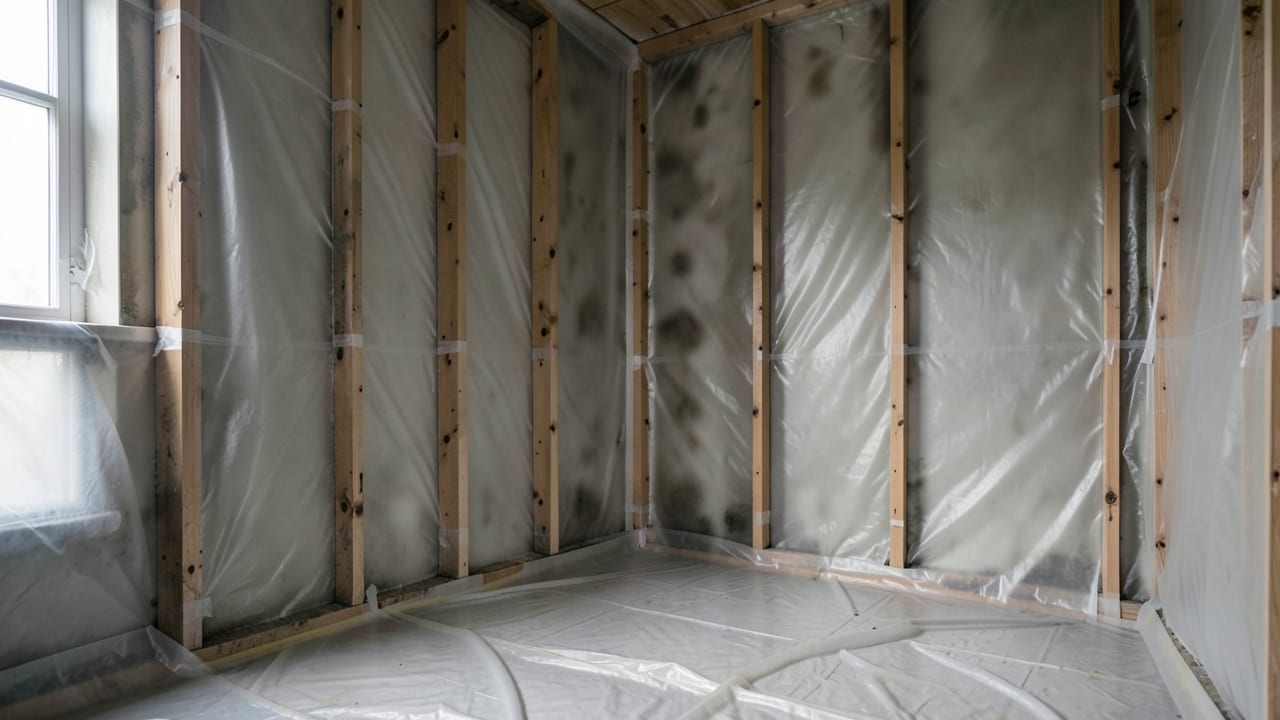
Mold removal and remediation in Lehi, UT — containment, HEPA filtration, and removal of affected material following industry (IICRC S520) protocol.
Mold Removal & Remediation in Lehi, UT provides professional, IICRC S520-compliant mold remediation to safely remove mold growth and compromised materials from homes. Our process includes containment, HEPA filtration, and thorough treatment to prevent recurrence, addressing Lehi’s humidity and leak-related mold issues.
When to Call a Mold Remediation Specialist
Mold can grow undetected behind walls, under flooring, or in attics, often following water damage or persistent humidity. In Lehi’s climate, slow leaks or poor ventilation can create ideal conditions for mold to spread rapidly.
We also handle Crawl Space & Basement Mold Remediation and Attic Mold Remediation for Lehi properties.
Visible mold, musty odors, or water stains are clear signs of a problem. Even if you only see a small patch, mold often spreads deeper into porous materials like drywall or insulation, requiring professional removal.
Signs You May Need Mold Remediation
- Visible mold growth on walls, ceilings, or floors
- Musty, earthy odors in certain areas of the home
- Water stains or discoloration on drywall or ceilings
- Recurring allergy-like symptoms (sneezing, itchy eyes) indoors
- Past water damage (leaks, flooding) that wasn’t fully dried
What Affects Mold Remediation Costs in Lehi?
Pricing for mold remediation varies based on the extent of growth and the materials affected. Larger infestations or mold in hard-to-reach areas (like crawl spaces or behind walls) require more labor and containment, increasing costs.
The type of material also matters: porous materials (drywall, insulation) often need removal and replacement, while non-porous surfaces (concrete, tile) can be treated. Call for an inspection to get a firm quote tailored to your home’s needs.
| Factor | Impact on Cost |
|---|---|
| Size of affected area | Larger areas = higher costs due to more containment and labor |
| Material type | Porous (drywall, carpet) = removal/replacement; non-porous (tile, concrete) = treatment |
| Location of mold | Hard-to-reach areas (attics, crawl spaces) = higher labor costs |
| Need for repairs | Replacing drywall, insulation, or flooring adds to the total |
How Mold Removal & Remediation Works
Our process follows the IICRC S520 standard to ensure thorough, safe mold removal.
- 1Inspection & Assessment
A technician inspects the property to identify the extent of mold growth, affected materials, and the moisture source. This determines the remediation plan.
- 2Containment & Air Filtration
The affected area is sealed off with physical barriers and placed under negative air pressure using HEPA filtration to prevent spores from spreading during removal.
- 3Removal of Compromised Materials
Porous materials with significant growth (drywall, insulation, carpet padding) are removed and disposed of. Non-porous surfaces are treated with antimicrobial solutions.
- 4HEPA Vacuuming & Cleaning
All surfaces in the contained area are HEPA-vacuumed to remove residual spores. The space is then treated with antimicrobial agents to inhibit future growth.
- 5Clearance Testing
Post-remediation, a third-party inspection or air quality test may be conducted to confirm the mold has been successfully removed and the area is safe.
Frequently Asked Questions
Is mold remediation covered by homeowners insurance in Lehi?
Coverage depends on your policy and the cause of the mold. If the mold resulted from a covered peril (e.g., a burst pipe), your insurance may cover remediation. However, mold due to neglect or long-term humidity is often excluded. Check your policy or consult your insurer.
Can I just clean mold myself with bleach?
Bleach only removes surface mold and does not address growth rooted in porous materials. It also doesn’t prevent spores from spreading. Professional remediation includes containment, HEPA filtration, and proper disposal of contaminated materials to ensure the problem is fully resolved.
How long does mold remediation take?
Most residential mold remediation projects take 1-3 days, depending on the size of the affected area and the extent of the damage. Larger or more complex jobs (e.g., whole-home infestations) may take longer.
Will mold come back after remediation?
If the source of moisture is addressed and the remediation is done properly, mold should not return. However, new water damage or unresolved humidity issues can lead to recurrence. We recommend fixing leaks or ventilation problems to prevent future growth.
See South Jordan, UT for more, or check out everything Lehi homeowners can book with us side by side for our complete lineup.
Ready to get started?
Talk to a local mold remediation pro in Lehi — get a written quote.
Other Mold Remediation Services in Lehi
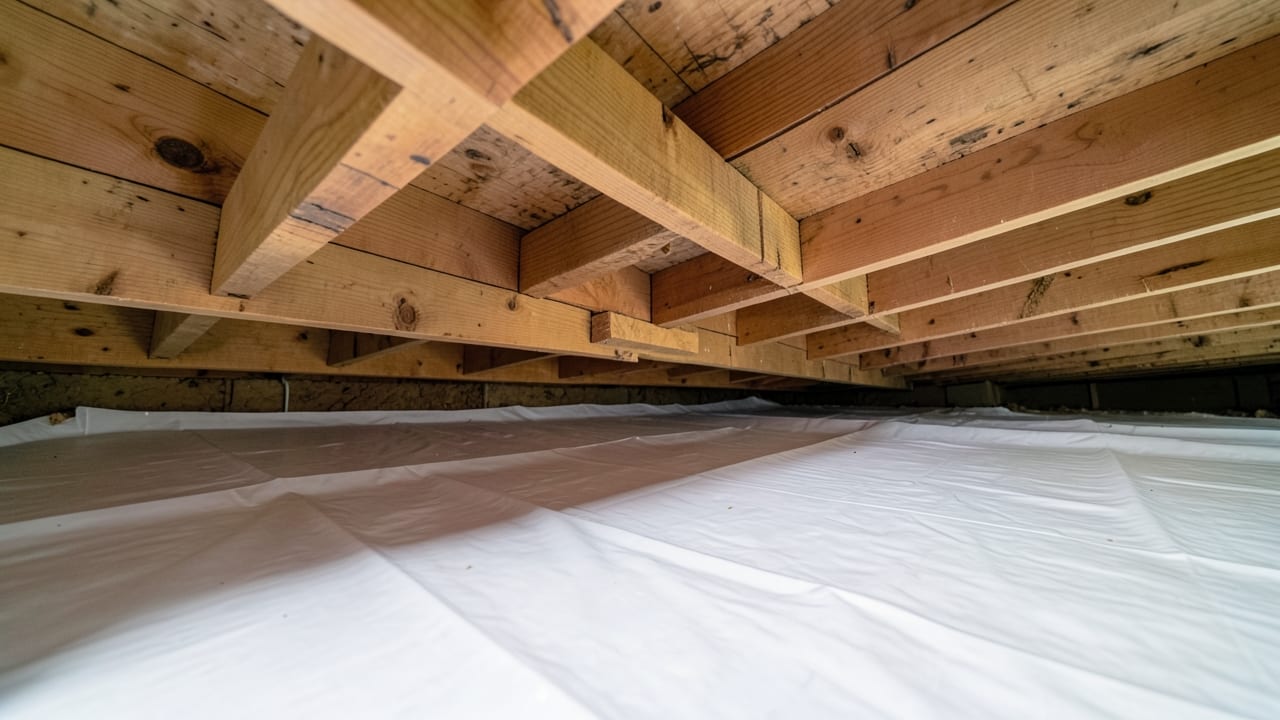
Crawl Space & Basement Mold Remediation in Lehi, UT
Crawl space and basement mold remediation in Lehi, UT addresses the two areas of a property most prone to trapped, unnoticed moisture.
Learn More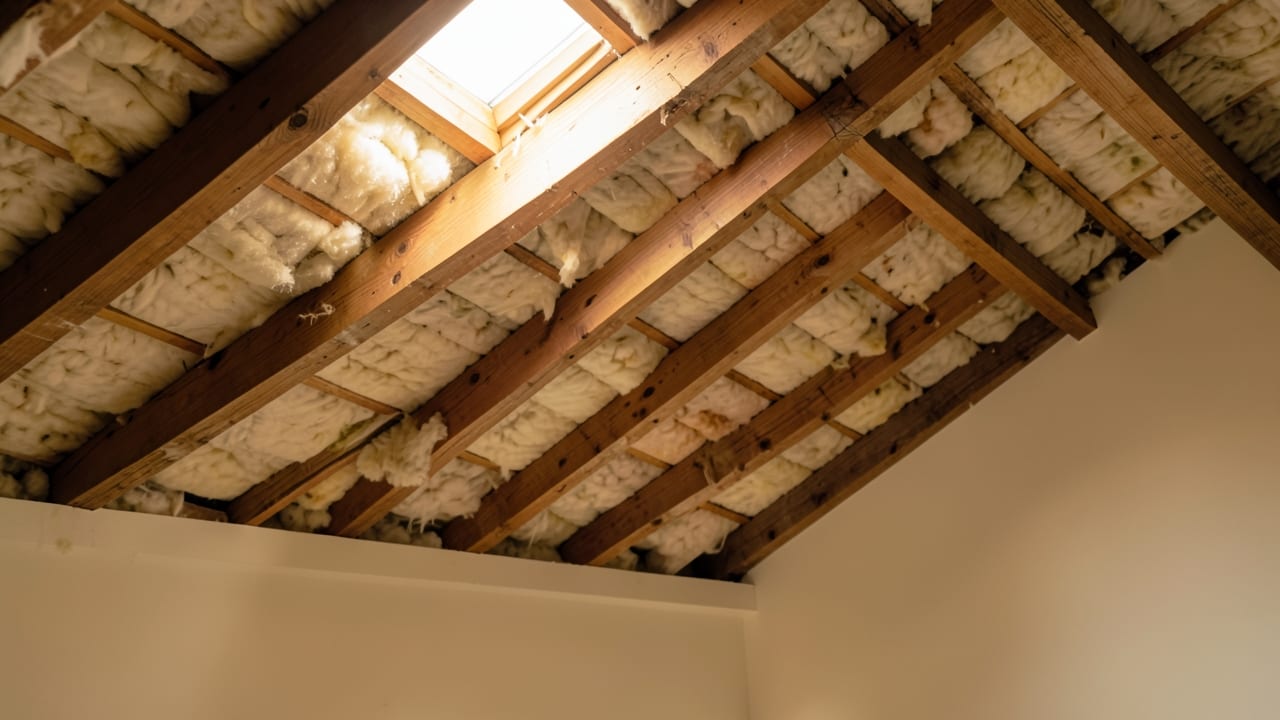
Attic Mold Remediation in Lehi, UT
Attic mold remediation in Lehi, UT addresses roof-deck growth typically caused by poor ventilation or a hidden roof leak.
Learn More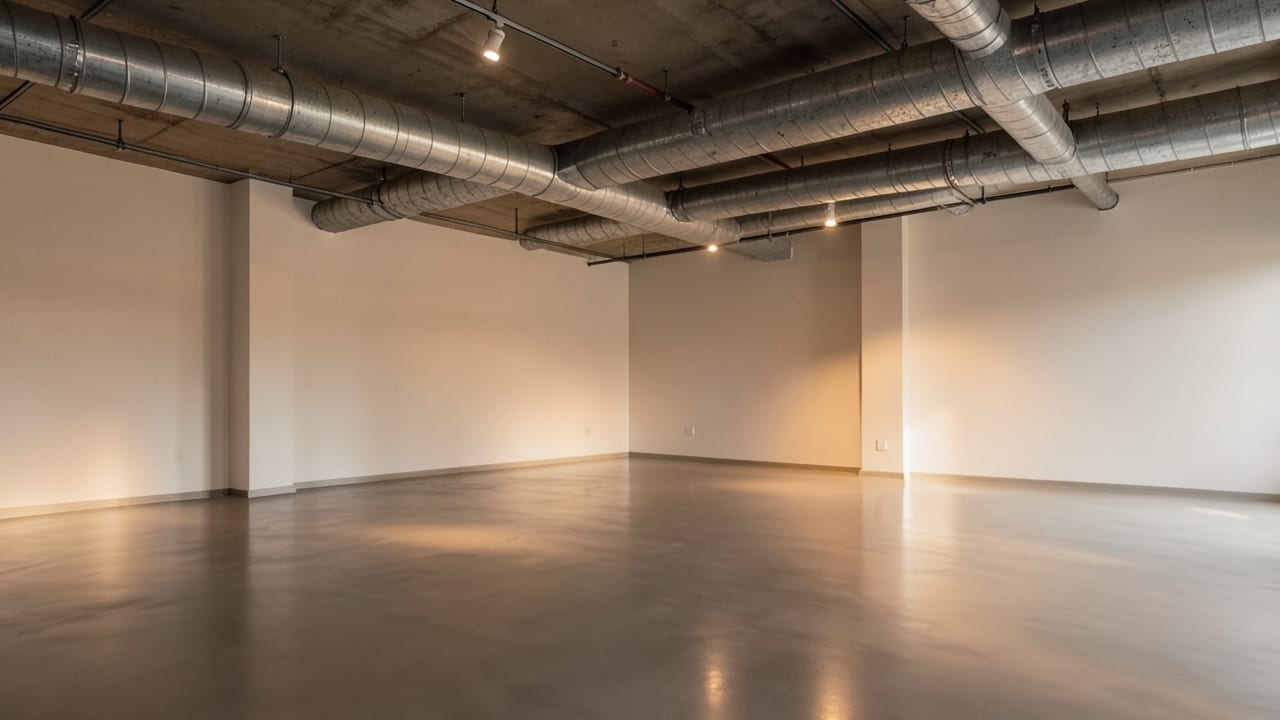
Commercial Mold Remediation in Lehi, UT
Commercial mold inspection and remediation in Lehi, UT for offices, retail space, and multi-unit properties, scheduled around business operations.
Learn More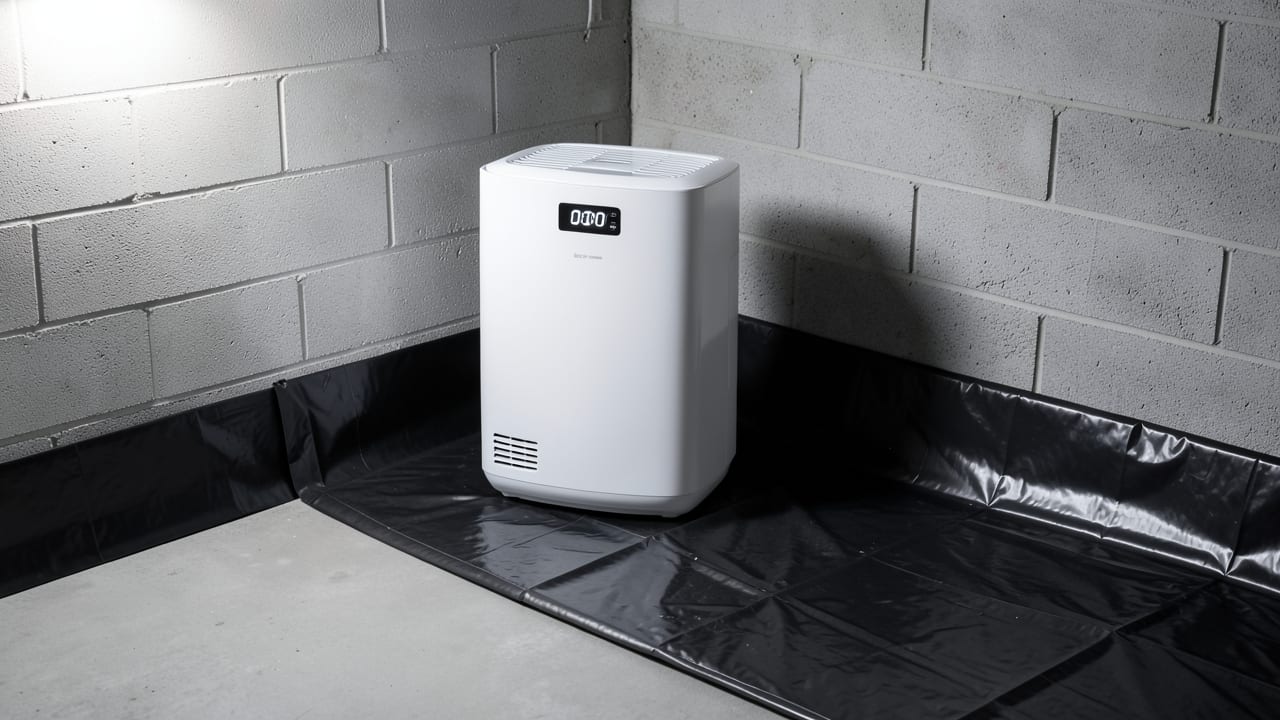
Mold Prevention & Moisture Control in Lehi, UT
Mold prevention and moisture control in Lehi, UT — addressing ventilation, humidity, and drainage before growth starts, not after.
Learn More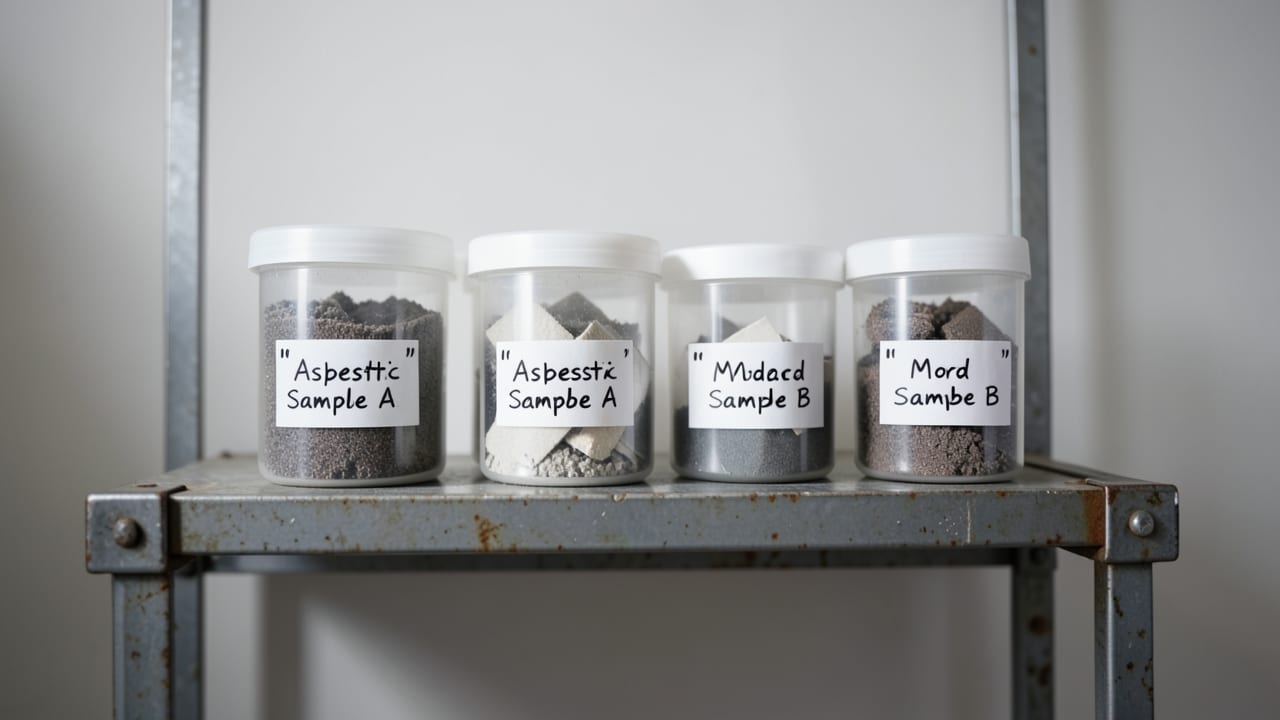
Mold & Asbestos Testing in Lehi, UT
Combined mold and asbestos testing in Lehi, UT — one inspection visit, lab-verified results for both.
Learn More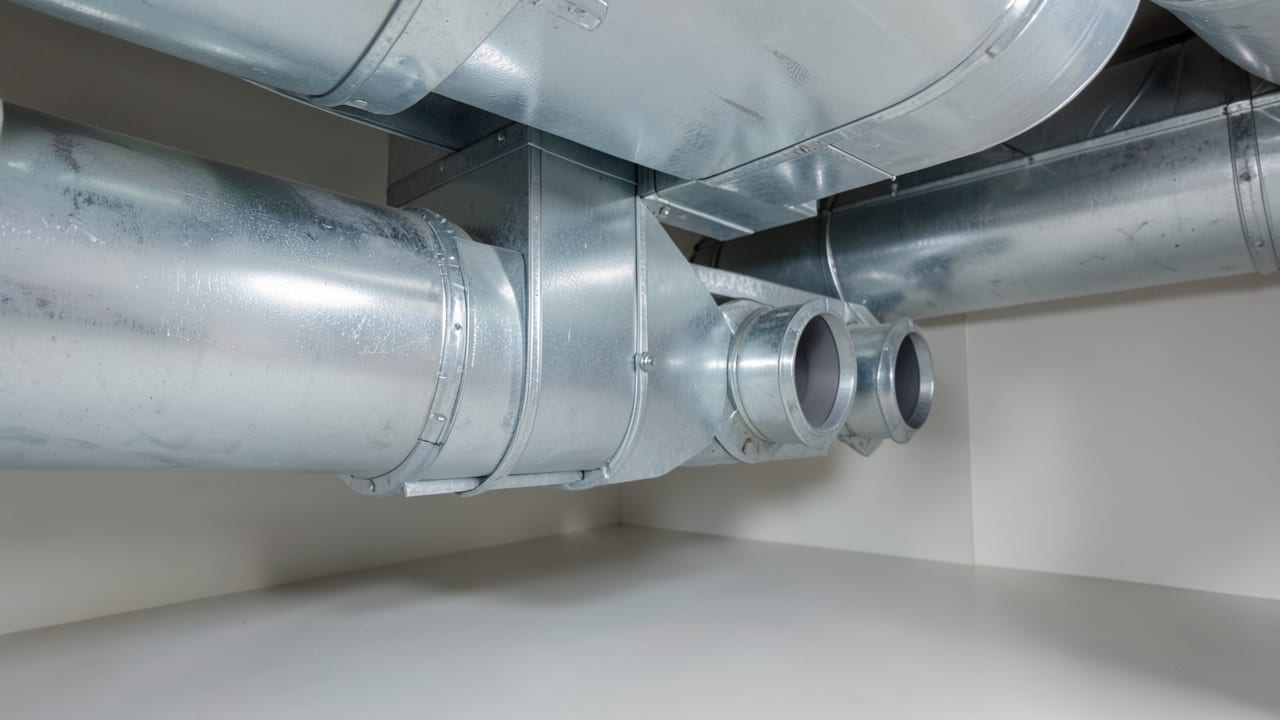
HVAC Mold Remediation in Lehi, UT
HVAC and ductwork mold remediation in Lehi, UT — mold growing inside the air handler or duct system, spreading through every vent.
Learn MoreCommon Questions About Mold Remediation in Lehi
Everything you need to know about mold remediation services in Lehi
How much does Mold Removal & Remediation typically cost in Lehi, UT?
Can mold really be a problem in a dry climate like Lehi, UT?
Is a final clearance test part of a typical mold remediation job?
How does mold remediation actually prevent the problem from coming back?
Can mold growing inside HVAC ductwork spread to the rest of a home?
Does mold mean the same thing as mildew?
Need Mold Remediation in Lehi?
Connect with local providers in Lehi for a detailed quote.
⏰ We answer your call • Serving all of Lehi and surrounding areas