Hidden Costs of Mold Remediation No One Tells You About in Lehi
Mold remediation in Lehi often comes with sticker shock—not because of the work itself, but the hidden factors homeowners overlook. From structural repairs to long-term prevention, we break down what really drives the cost and how to plan for it.
Why Mold Remediation Costs More Than You Expect
Most quotes cover visible mold removal, but not the root cause. In Lehi’s humid summers and cold winters, moisture lingers in basements, crawl spaces, and attics—leading to recurring issues if not addressed.
Hidden costs often include repairing water-damaged drywall, replacing insulation, or upgrading ventilation. These aren’t extras; they’re necessities to prevent mold from returning.
The True Cost Drivers Behind Mold Removal
The type of mold matters. Toxic black mold (Stachybotrys) requires stricter containment and disposal protocols, increasing labor and equipment costs.
Accessibility plays a huge role. Mold in tight crawl spaces or behind walls demands more time, specialized tools, and even temporary relocation of HVAC systems.
Air quality testing before and after remediation adds to the tab but ensures the job is done right. Skipping it risks leaving spores behind.
| Factor | Impact on Cost | Why It Matters |
|---|---|---|
| Mold Type (e.g., Stachybotrys) | High | Requires advanced PPE, containment, and disposal |
| Area Size | Moderate to High | Larger or hard-to-reach spaces need more labor/time |
| Structural Damage | High | Drywall, insulation, or subflooring may need replacement |
| Testing & Clearance | Moderate | Pre/post-remediation air quality tests confirm success |
| Preventive Measures | Low to Moderate | Moisture barriers, dehumidifiers, or ventilation upgrades |
Structural Repairs: The Silent Budget Killer
Mold doesn’t just grow on surfaces—it eats away at them. In Lehi homes, we often find rotted wood, crumbling drywall, or corroded pipes beneath the mold.
These repairs aren’t optional. Leaving damaged materials in place invites mold back, and insurance may deny claims if the root issue isn’t fixed.
Cutting corners on structural repairs saves money upfront but costs far more in recurring remediation and health risks. Always address the source.
Testing and Clearance: Non-Negotiable Steps
Pre-remediation testing identifies the mold type and spore count, guiding our approach. Post-remediation clearance testing confirms the area is safe.
In Lehi, we use third-party labs for unbiased results. This adds to the cost but ensures your home meets EPA and local health standards.
Preventive Measures That Save You Long-Term
Mold remediation without prevention is like bailing a boat without plugging the leak. In Lehi’s climate, moisture control is key.
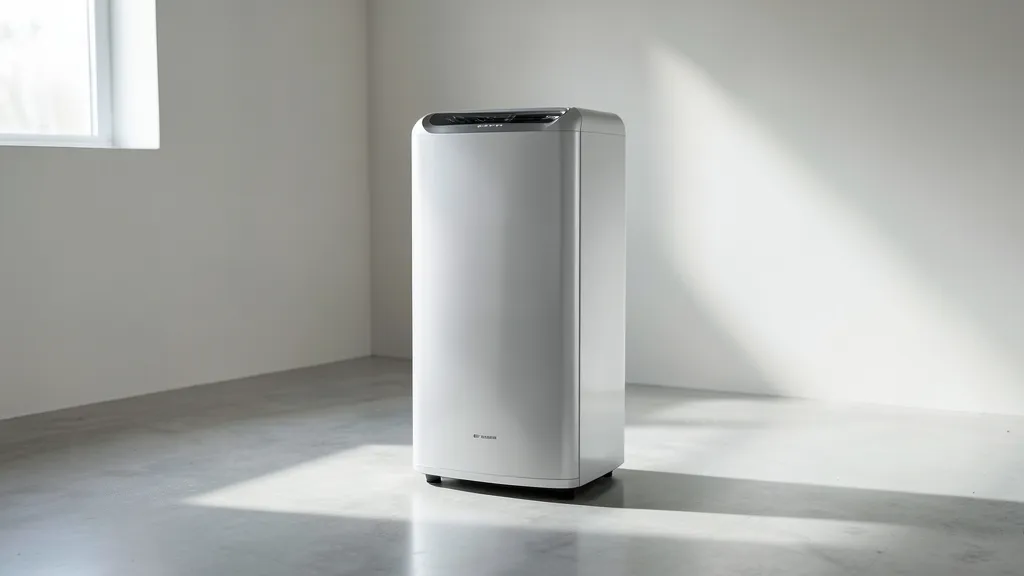
Solutions like crawl space encapsulation, attic ventilation, or dehumidifiers in basements add upfront but slash the risk of future outbreaks. We often recommend these for homes in American Fork, Highland, and Saratoga Springs too.
Proactive moisture barriers and regular inspections cost far less than repeated remediation.
Mold Prevention Essentials
- Install dehumidifiers in basements and crawl spaces
- Seal gaps in attic and foundation ventilation
- Use moisture-resistant materials in prone areas
- Schedule annual mold inspections for peace of mind
- Address water leaks or flooding immediately
Commercial vs. Residential: Different Challenges
Commercial mold remediation in Lehi often involves larger spaces, HVAC systems, and stricter regulations. Offices, schools, or retail spaces may require after-hours work to avoid business disruption.
Residential jobs focus on living spaces, but attics and crawl spaces can be just as complex. Both require tailored approaches to containment and air filtration.
DIY Pitfalls That Cost More in the End
We’ve seen Lehi homeowners try bleach or over-the-counter sprays, only to make the problem worse. Bleach doesn’t kill mold at the root and can spread spores if not contained properly.
Improper PPE or ventilation exposes you to mycotoxins. And without testing, you won’t know if the mold is truly gone—or if it’s hiding in your HVAC system, ready to recolonize.
Mold remediation isn’t a weekend project. Teams use HEPA filtration, negative air pressure, and antimicrobial treatments to ensure safety and effectiveness.
How to Avoid Hidden Mold Remediation Costs
Proactive steps can save you thousands in unexpected expenses.
- 1Get a Professional Mold Inspection
A thorough inspection identifies mold type, extent, and moisture sources. This is the foundation for an accurate quote and plan.
- 2Address Water Damage Immediately
Fix leaks, dry wet areas within 24-48 hours, and repair water-damaged materials to prevent mold growth.
- 3Test Before and After Remediation
Pre-testing guides the remediation strategy, while post-testing confirms the mold is gone and the air is safe.
- 4Invest in Moisture Control
Install dehumidifiers, improve ventilation, and use moisture barriers in prone areas like basements and crawl spaces.
- 5Document Everything for Insurance
Keep records of inspections, remediation, and repairs. This can help with claims and prove the work was done to standard.
Frequently Asked Questions
Does homeowners insurance cover mold remediation in Lehi?
It depends on the cause. Most policies cover mold if it results from a sudden, accidental event like a burst pipe. But they often exclude mold from long-term moisture or neglect. Review your policy and request a quote to understand your options.
How do I know if mold is toxic?
Not all mold is toxic, but types like Stachybotrys (black mold) can produce harmful mycotoxins. Professional mold testing identifies the species and spore levels. Never assume a mold is harmless based on color alone.
Can mold come back after remediation?
Yes, if the moisture source isn’t fixed. That’s why we emphasize repairs and prevention—like crawl space encapsulation or attic ventilation—as part of the process. Without these, mold can return within months.
Is mold remediation in Lehi more expensive in certain seasons?
Demand can spike after wet springs or during humid summers, but the bigger cost driver is the extent of the damage. Winter can reveal hidden issues as heating systems dry out damp areas, uncovering mold that’s been growing unnoticed.
Do I need to leave my home during remediation?
For small, contained jobs, you may not need to relocate. But for large or toxic mold infestations, we recommend temporary relocation—especially for vulnerable individuals like children, elderly, or those with respiratory issues. Containment protocols keep spores from spreading, but safety comes first.
What’s the difference between mold removal and mold remediation?
Mold removal is just taking out the visible mold. Remediation addresses the root cause—moisture—and includes containment, cleaning, and prevention to ensure it doesn’t return. In Lehi, remediation is the only lasting solution.