Hospital Mold Remediation in Lehi: Critical Steps for Patient Safety and IICRC S520 Compliance
Hospitals in our area face unique mold risks due to high humidity, frequent water events, and vulnerable patient populations. We specialize in IICRC S520-compliant remediation that prioritizes patient safety, infection control, and minimal operational disruption.
Why Hospitals in Our Area Are High-Risk for Mold
Utah’s seasonal swings—from dry winters to sudden spring thaws—create ideal conditions for hidden moisture in hospital walls, ceilings, and HVAC systems. Even minor leaks in plumbing or roofing can fuel rapid mold growth in as little as 24–48 hours.
High-traffic areas like emergency rooms, kitchens, and laundry rooms are especially prone to water intrusion. In Lehi and nearby American Fork or Highland, older hospital wings may lack modern vapor barriers, accelerating colonization.
IICRC S520: The Gold Standard for Healthcare Mold Remediation
The IICRC S520 is the only industry-standard specifically addressing mold in commercial and institutional buildings, including hospitals. It mandates strict protocols for containment, air filtration, and clearance testing to protect immunocompromised patients.
Our team follows S520’s five principles: safety and health, documentation, control of the contaminant at its source, removal of contaminated materials, and moisture control. Non-compliance risks liability and patient harm.
Containment Strategies to Prevent Cross-Contamination
Negative air pressure containment is non-negotiable in hospitals. We use HEPA-filtered air scrubbers and plastic sheeting barriers to isolate work zones, ensuring spores don’t migrate to patient care areas via HVAC systems.
For critical areas like operating rooms or ICUs, we deploy anterooms with airlocks. In nearby Saratoga Springs or Draper facilities, we’ve adapted these systems for modular hospital layouts.
Conventional vacuums can aerosolize spores, worsening contamination. Only HEPA-equipped devices are S520-approved for hospital remediation.
Porous vs. Non-Porous Materials: What Stays, What Goes
Porous materials like drywall, ceiling tiles, and carpeting almost always require removal if contaminated. Mold roots penetrate deeply, making cleaning ineffective. Non-porous surfaces (metal, glass, sealed concrete) can often be salvaged with HEPA sanding and antimicrobial treatments.
In hospital settings, we prioritize removing materials near patient areas to eliminate any risk of residual spores. This often includes replacing insulation in affected walls or ceilings.
| Material | Typical Action | IICRC S520 Guidance |
|---|---|---|
| Drywall | Remove and replace | Porous; cannot be fully decontaminated |
| Ceiling tiles | Remove and replace | Porous; high spore retention |
| Metal ductwork | HEPA vacuum + antimicrobial wipe | Non-porous; cleanable if no corrosion |
| Concrete (sealed) | HEPA sanding + encapsulant | Non-porous; cleanable if intact |
| Carpeting | Remove and replace | Porous; harbor spores deeply |
HVAC Systems: The Hidden Mold Highway
Hospital HVAC systems can spread mold spores across entire facilities if not addressed. We conduct thorough inspections of ductwork, coils, and drain pans—common moisture traps in our semi-arid climate’s humid summer months.
Remediation often involves HEPA vacuuming ducts, replacing contaminated insulation, and applying antimicrobial coatings. In some cases, temporary shutdowns of affected HVAC zones are necessary to prevent spore dissemination.
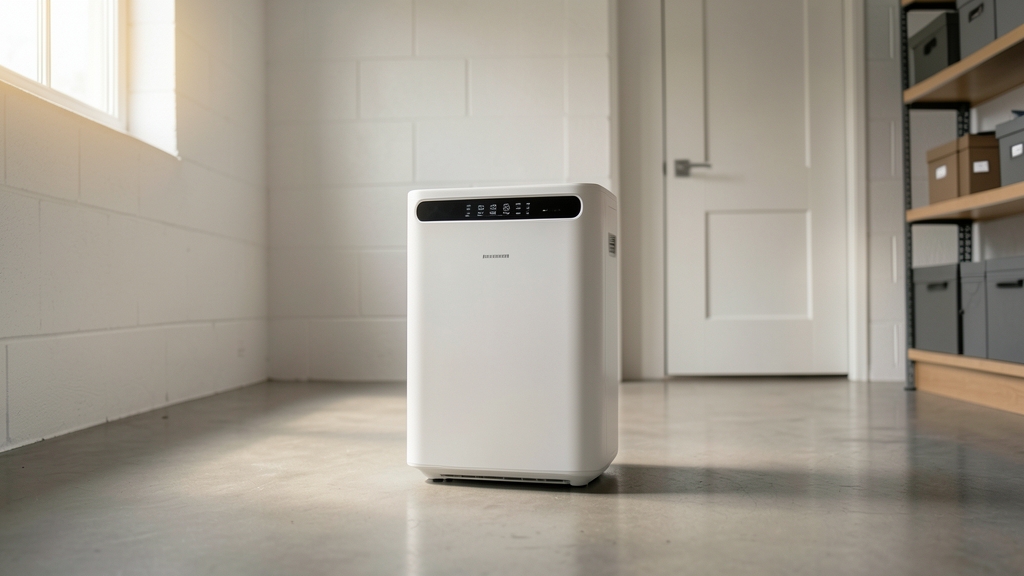
Install humidity sensors and automated dehumidifiers in high-risk areas like basements or crawl spaces. Regular HVAC maintenance is critical to prevent condensation buildup.
Patient and Staff Safety Protocols During Remediation
Hospitals can’t close for remediation, so we work in phases, often during off-hours or in unoccupied wings. All personnel wear PPE, including N95 respirators and disposable suits, to avoid tracking spores.
We coordinate closely with infection control teams to schedule work around patient movements. In Lehi, we’ve partnered with local hospitals to remediate attics and crawl spaces without disrupting surgeries or ICU operations.
Post-Remediation Verification: The Non-Negotiable Final Step
Clearance testing is mandatory under S520. We use third-party industrial hygienists to conduct air and surface sampling, comparing spore counts to outdoor baselines or hospital-specific control areas.
If tests fail, we re-isolate the area and repeat cleaning or removal. Only after passing clearance do we consider the project complete—this protects both patients and your facility’s reputation.
Post-Remediation Verification Checklist
- Visual inspection for residual mold or moisture
- Air sampling (spore trap or culturable)
- Surface sampling (tape lift or swab) of cleaned areas
- Comparison to control/outdoor samples
- Documentation of all results for compliance
How to Respond to Suspected Hospital Mold in Lehi
Immediate, protocol-driven action is critical to limit exposure and liability.
- 1Isolate the Area
Close off the affected space and shut down HVAC to that zone to prevent spore spread. Post warning signs to restrict access.
- 2Assess the Extent
Conduct a professional mold inspection and moisture mapping. Identify the source (e.g., leaky pipe, roof ingress) and document all findings with photos.
- 3Develop a Remediation Plan
Create an S520-compliant plan including containment, PPE, removal/cleaning methods, and clearance criteria. Submit to hospital administration and infection control for approval.
- 4Execute Containment and Remediation
Set up negative air pressure, remove contaminated materials, and clean salvageable surfaces with HEPA and antimicrobials. Monitor air quality continuously.
- 5Verify and Document
Hire an independent hygienist for post-remediation testing. Only reopen the area after passing clearance and updating facility records.
Frequently Asked Questions
How long does hospital mold remediation typically take in Lehi?
Timelines vary based on the size of the affected area, material types, and containment complexity. Small, isolated cases may take 3–5 days, while large or multi-zone projects can require weeks. We phase work to minimize disruption and always prioritize patient safety.
Can we keep the hospital open during remediation?
Yes, but with strict protocols. We use containment barriers, negative air pressure, and off-hour scheduling to isolate work zones. Critical areas like ICUs or ORs may require temporary relocation of patients or equipment.
What’s the difference between mold removal and mold remediation in healthcare settings?
Removal refers to eliminating visible mold, while remediation addresses the root cause (e.g., moisture) and ensures spores are controlled to safe levels. In hospitals, remediation is mandatory—simple removal risks recurrence and patient exposure.
Do you handle mold in hospital basements or crawl spaces?
Absolutely. Basements and crawl spaces are high-risk due to poor ventilation and moisture buildup. We specialize in these areas, using vapor barriers, dehumidifiers, and targeted remediation to prevent upward migration of spores into patient floors.
How do you ensure compliance with Utah’s healthcare regulations?
We follow IICRC S520, OSHA, and CDC guidelines, and coordinate with local health departments. Our documentation meets Utah’s requirements for healthcare facilities, including pre- and post-remediation testing by certified hygienists.
What should we do if mold is found in our hospital’s HVAC system?
Shut down the affected HVAC zone immediately to prevent spore dissemination. Then, contact us for an emergency assessment. We’ll inspect ducts, coils, and drain pans, and develop a containment and cleaning plan that aligns with S520 and ASHRAE standards.