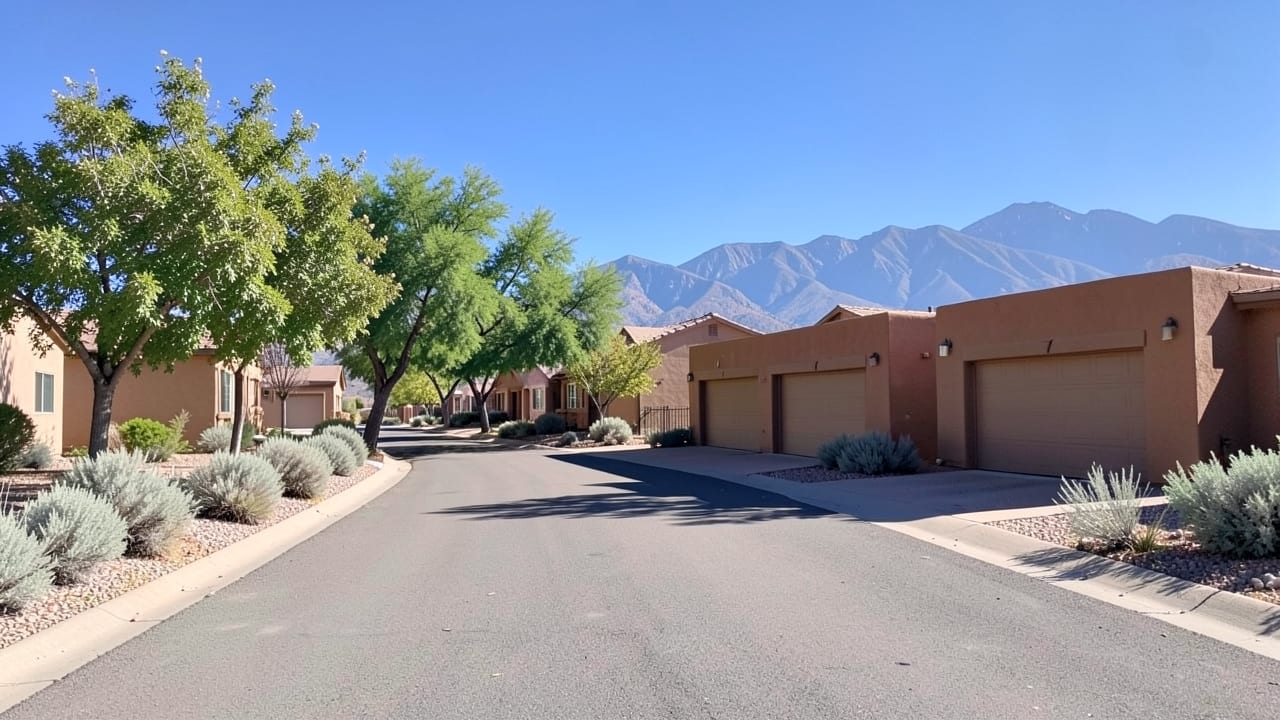
Mold Remediation in Cottonwood Heights, UT
mold remediation for Cottonwood Heights, UT properties — Cottonwood Heights is a nearby community roughly 13.9 miles north of Lehi..
Mold remediation in Cottonwood Heights, UT falls inside the same regular service area as Lehi, on the same schedule and the same terms. Cottonwood Heights is a nearby community roughly 13.9 miles north of Lehi.
Why mold remediation comes up in Cottonwood Heights
Mold remediation in Cottonwood Heights is often needed due to the area's proximity to the Wasatch Front and its dense suburban layout. The region's clay-heavy soil and seasonal soil expansion can lead to foundation cracks, allowing moisture seepage into basements. Additionally, the area's frequent temperature swings and high humidity during spring and fall create condensation in crawl spaces and attics, fostering mold growth. Crews in the area typically address these issues by sealing entry points, improving ventilation, and removing affected materials to prevent recurrence.
We also handle Lindon, UT and White City metro township, UT for Lehi properties.
What the work involves, step by step
Containment. Plastic sheeting and negative-air machines seal the work area off from the rest of the property before any material is disturbed, so airborne spores generated during removal stay inside the containment zone instead of migrating through hallways and HVAC returns into rooms that were never affected.
Removal. Porous materials that have absorbed mold — drywall, insulation, carpet padding — are generally cut out and bagged inside containment rather than cleaned, since mold grows into these materials instead of sitting on the surface. Non-porous materials like framing and tile are scrubbed and treated instead of discarded.
HEPA air scrubbing and vacuuming. HEPA-filtered air scrubbers run continuously through the containment period, and surfaces are vacuumed with HEPA-filtered equipment rather than standard shop vacuums, because a standard filter passes mold spores straight back into the air instead of capturing them.
Structural drying. Industrial dehumidifiers and air movers bring the affected framing and subfloor down to a normal moisture reading before the space is closed back up, since mold regrows on damp material even after every visible trace has been removed.
Clearance testing. An independent post-remediation clearance test — air or surface sampling done by someone other than the crew that performed the removal — confirms spore counts are back to a normal range before containment comes down and the area is considered finished.
How to tell the work is needed in Cottonwood Heights
There's a point where a mold problem stops being something to wipe down and starts being something to have removed properly, and the signs that mark that line are all things a property owner can notice directly. Size is the clearest one: mold covering more than a small, isolated patch is generally past DIY scale, and several states — Texas among them — actually put a number on it, treating 25 contiguous square feet as the line between cleanup a homeowner can handle and work that requires a licensed contractor. Growth that keeps coming back in the same spot after being cleaned is another clear signal, since it usually means the moisture source was never actually fixed rather than that the cleaning was done wrong. A musty smell with nothing visible anywhere in the room often means the growth is hidden — inside a wall, under flooring, behind a shower — and a smell that gets noticeably stronger when the HVAC system turns on can mean it's inside the ductwork itself, spreading through every room the system reaches.
What goes wrong when the work is done badly
Containment breach spreading spores. A tear in the plastic sheeting, a door left propped open, or negative air pressure that isn't actually holding lets spores stirred up during removal drift into parts of the property that were never contaminated, turning a contained job into a much larger one.
Skipping HEPA filtration. Using a standard shop vacuum or a non-HEPA air scrubber instead of HEPA-filtered equipment doesn't capture spores — it recirculates them, since a standard filter is coarse enough to let mold spores pass straight through and back into the air of the work area.
Remediating without fixing the moisture source. Removing every visible trace of mold without addressing the leak, condensation, or grading issue that caused it in the first place leaves the same materials exposed to the same moisture, and regrowth in the same spot within a matter of months is the predictable result.
What keeps the problem from coming back
Remediation removes what's already grown, but whether it comes back depends almost entirely on what happens after the crew leaves. The single biggest factor is whether the actual moisture source — the leak, the condensation, the grading problem — was fixed, as opposed to just the visible mold; treating the symptom without the cause is the most common reason a property owner ends up calling for the same job again within a year. Checking humidity in the previously affected room periodically through that first year, rather than assuming the issue is permanently closed, catches an early recurrence while it's still a small patch.
Rooms that run persistently damp because of poor airflow — a closet, a windowless bathroom, a corner of a basement — benefit from a small fan or a dehumidifier even after remediation is complete, since stagnant air is what let the original problem take hold. And outside the house, soil that slopes toward the foundation or a downspout that empties right against the wall keeps feeding the same moisture problem back into a space that was just cleared.
What the work costs around Cottonwood Heights
In Cottonwood Heights, mold remediation typically runs $10 to $25 per square foot. That range reflects the treated area on a standard remediation job. Confirmed black mold (Stachybotrys) cases typically push 15-25% past the top of this range for the same area.
These numbers summarize public pricing research for this type of job rather than a quote from a specific company — actual pricing depends on the scope of the job and who is hired to do it. Local quotes remain the most reliable way to narrow this down for a specific job, since scope, site conditions, and the provider chosen all move the final number within this range. Source: Angi / HomeAdvisor, 2025-2026.
How to choose who does the work in Cottonwood Heights
Does the estimate include inspection, testing, remediation, and clearance testing, or just part of it? Containment and clearance testing are often priced separately; a low number that excludes them isn't comparable to a full quote. Is a written scope of work provided before any work starts? A scope in writing protects against price creep once demolition begins. Does the estimate specify the square footage or area being treated? Vague area estimates make it hard to compare bids apples-to-apples. Will a third-party lab test verify the mold species and confirm clearance after the work? Some remediation methods skip independent testing, leaving no confirmation the job actually worked. What happens if hidden mold is found once walls are opened? Change-order pricing after demolition begins is a common source of disputes. Has the state's contractor licensing requirement for mold work been checked directly with the state board? Mold remediation licensing rules vary by state, and some states have none, so it is worth confirming directly rather than taking a company's word for it. Does the quote separate remediation, removing existing growth, from prevention, fixing the moisture source? Remediation without fixing the moisture source often means the growth returns.
A verbal price with no written, itemized scope. Without an itemized scope, there is no way to compare what is actually included between bids, or point back to what was promised if something is left out. A bid dramatically lower than every other estimate for the same square footage. Work done without proper containment or clearance testing can look cheaper up front and cost more later if the contamination is not fully resolved. Full payment requested before any work has started. Paying in full upfront removes leverage if the job is not completed as scoped. No mention of post-remediation clearance testing anywhere in the quote. Without a test confirming the space is clear afterward, there is no independent way to know the remediation actually worked. Pressure to sign the contract during the same visit as the inspection. A legitimate scope of work takes time to write accurately; rushing the signature skips the chance to compare bids.
Services covered in Cottonwood Heights, UT
Work booked through this page in Cottonwood Heights covers Move-In Mold Assessment, Crawl Space & Basement Mold Remediation, Bathroom Mold Removal, Rental Property Mold Cleanup, Stone Countertop Mold Removal, New Construction Mold Remediation, Mold Testing & Air Quality Testing, Mold & Asbestos Testing, and 30 other services listed on the services page.
For mold remediation in Cottonwood Heights, UT, request a quote — scheduling and pricing work the same here as anywhere else in the coverage area.
See Move-In Mold Assessment for more, or explore how our Lehi crew can help by service type for our complete lineup.
Serving Cottonwood Heights, UT
Mold Remediation Services in Cottonwood Heights, UT
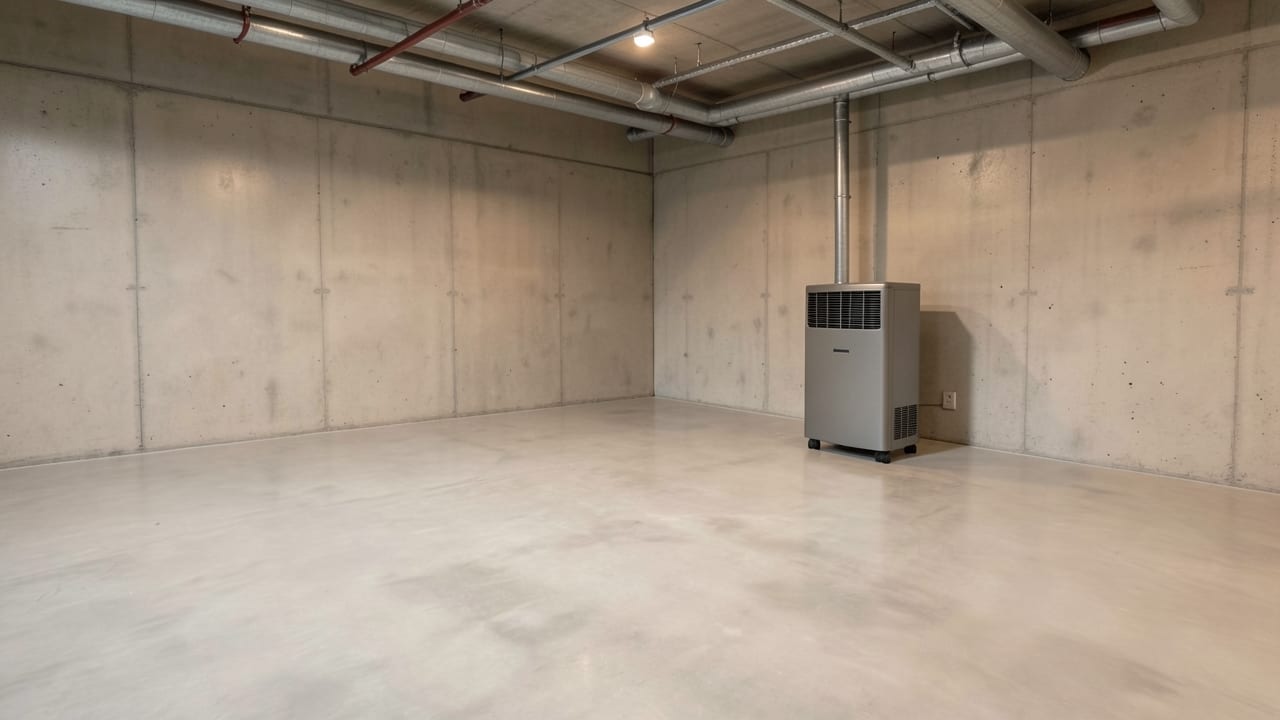
Concrete Mold Remediation in Cottonwood Heights, UT
Concrete Mold Remediation for Cottonwood Heights, UT properties — Cottonwood Heights is a nearby community roughly 13.9 miles north of Lehi..
Learn MoreGarage Mold Removal in Cottonwood Heights, UT
Garage Mold Removal for Cottonwood Heights, UT properties — Cottonwood Heights is a nearby community roughly 13.9 miles north of Lehi..
Learn MoreLaundry Room Mold Cleanup in Cottonwood Heights, UT
Laundry Room Mold Cleanup for Cottonwood Heights, UT properties — Cottonwood Heights is a nearby community roughly 13.9 miles north of Lehi..
Learn MoreApartment Mold Remediation in Cottonwood Heights, UT
Apartment Mold Remediation for Cottonwood Heights, UT properties — Cottonwood Heights is a nearby community roughly 13.9 miles north of Lehi..
Learn More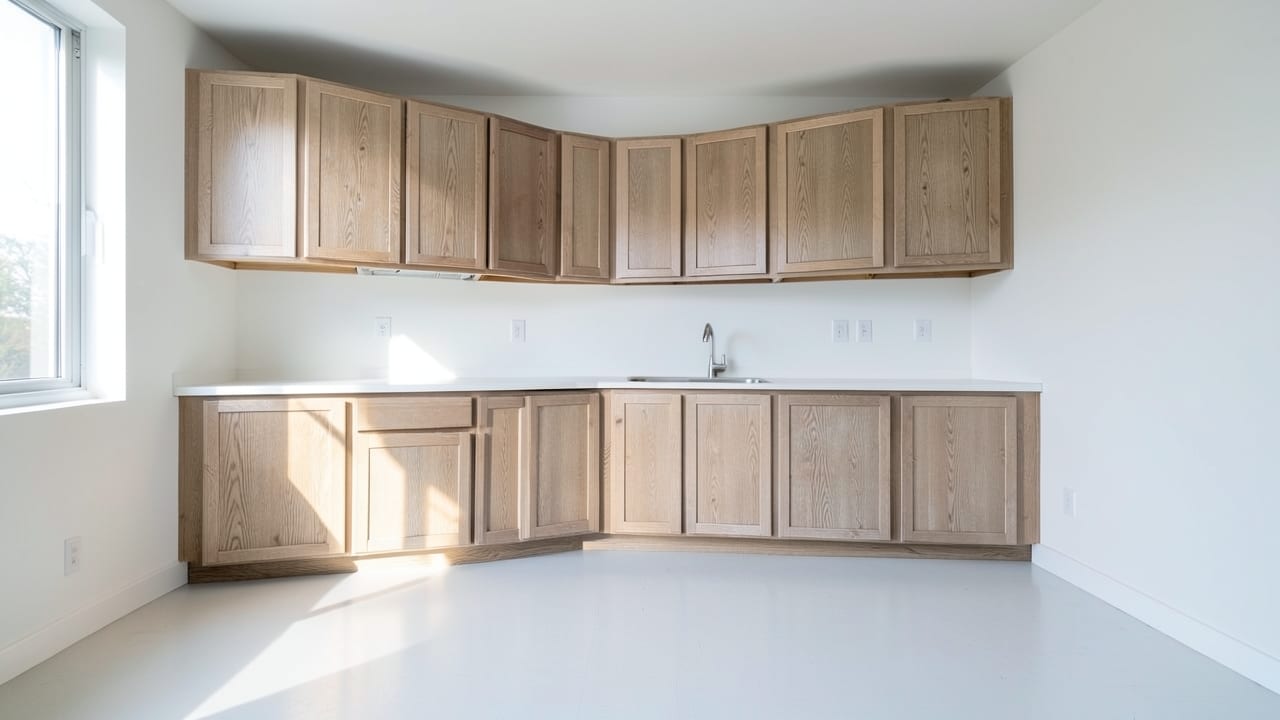
Rental Property Mold Cleanup in Cottonwood Heights, UT
Rental Property Mold Cleanup for Cottonwood Heights, UT properties — Cottonwood Heights is a nearby community roughly 13.9 miles north of Lehi..
Learn MoreSchool Mold Remediation in Cottonwood Heights, UT
School Mold Remediation for Cottonwood Heights, UT properties — Cottonwood Heights is a nearby community roughly 13.9 miles north of Lehi..
Learn MoreOther Areas We Cover
Mold Remediation in Lindon, UT
mold remediation for Lindon, UT properties — Lindon is a nearby community roughly 9.6 miles southeast of Lehi. Lindon is a city in Utah County, Utah, United States. It is part of the Provo-Orem metropolitan area..
Learn More
Mold Remediation in White City metro township, UT
mold remediation for White City metro township, UT properties — White City metro township is a nearby community roughly 10.5 miles north of Lehi..
Learn More
Mold Remediation in Sandy, UT
mold remediation for Sandy, UT properties — Sandy is a nearby community roughly 10.7 miles north of Lehi. Sandy is a city in the Salt Lake City metropolitan area, located in Salt Lake County, Utah, United States. The population was 96,904 according to the 2020 United States census..
Learn More
Mold Remediation in South Jordan, UT
mold remediation for South Jordan, UT properties — South Jordan is a nearby community roughly 11.2 miles northwest of Lehi. South Jordan is a city in south central Salt Lake County, Utah, United States, 18 miles (29 km) south of Salt Lake City. Part of the Salt Lake City metropolitan area, the city lies in the Salt Lake Valley along the banks of the Jordan River between the 10,000-foot (3,000 m) Oquirrh Mountains and the 11,000-foot (3,400 m) Wasatch Mountains..
Learn More
Mold Remediation in Granite, UT
mold remediation for Granite, UT properties — Granite is a nearby community roughly 11.7 miles north of Lehi. Granite is a census-designated place (CDP) in Salt Lake County, Utah, United States, adjoining the City of Sandy on the east. As of the 2020 census, the CDP population was 1,076, a decrease from the 2010 population of 1,932..
Learn More
Mold Remediation in Orem, UT
mold remediation for Orem, UT properties — Orem is a nearby community roughly 12.2 miles southeast of Lehi. Orem is a city in Utah County, Utah, United States, in the north central part of the state. It is adjacent to Provo, Lindon, and Vineyard and is approximately 45 miles (72 km) south of Salt Lake City..
Learn MoreCommon Questions About Mold Remediation in Cottonwood Heights, UT
Everything you need to know about mold remediation services in Cottonwood Heights, UT
How much does mold remediation typically cost in Cottonwood Heights, UT?
Can mold really be a problem in a dry climate like Cottonwood Heights, UT?
Does homeowners insurance typically cover mold remediation?
Is black mold actually more dangerous than other mold types?
How long does a typical mold remediation job take?
Is it safe to stay in the home during mold remediation?
Need Mold Remediation in Lehi?
Connect with local providers in Lehi for a detailed quote.
⏰ We answer your call • Serving all of Lehi and surrounding areas